cyah.ai › Destinations › Amsterdam

Where to stay in Amsterdam: areas, tips and hotels

Amsterdam is compact, but the feel changes a lot from one neighbourhood to the next. Pick your base not just by distance to the sights, but by what suits your trip: canals and old houses, museums and calm, or a lively local area full of cafés and restaurants. With trams, metro, ferries and bikes, most places are easy to reach.

The best areas to stay in Amsterdam

AreaAtmosphereBest forGetting there
Canal Ring and Jordaanclassic, atmosphericfirst-time visitorswalking distance to Dam and Anne Frank House
Museum Quarter and Oud-Zuidquiet, upmarketmuseums and comforttram to Centraal, walking distance to Museumplein
De Pijplively, localfood and nightlifeDe Pijp metro, tram to centre
Amsterdam Eastspacious, creativelonger staystram to centre, train via Muiderpoort
Amsterdam Northmodern, relaxedstylish modern hotelsfree ferry from Centraal, North/South metro line
Centraal Station and Old Centrebusy, practicalshort city breaksnext to Amsterdam Centraal
Amsterdam, Netherlands

The map only loads after you click (map data from OpenStreetMap).

The areas of Amsterdam explained

1Canal Ring and Jordaan

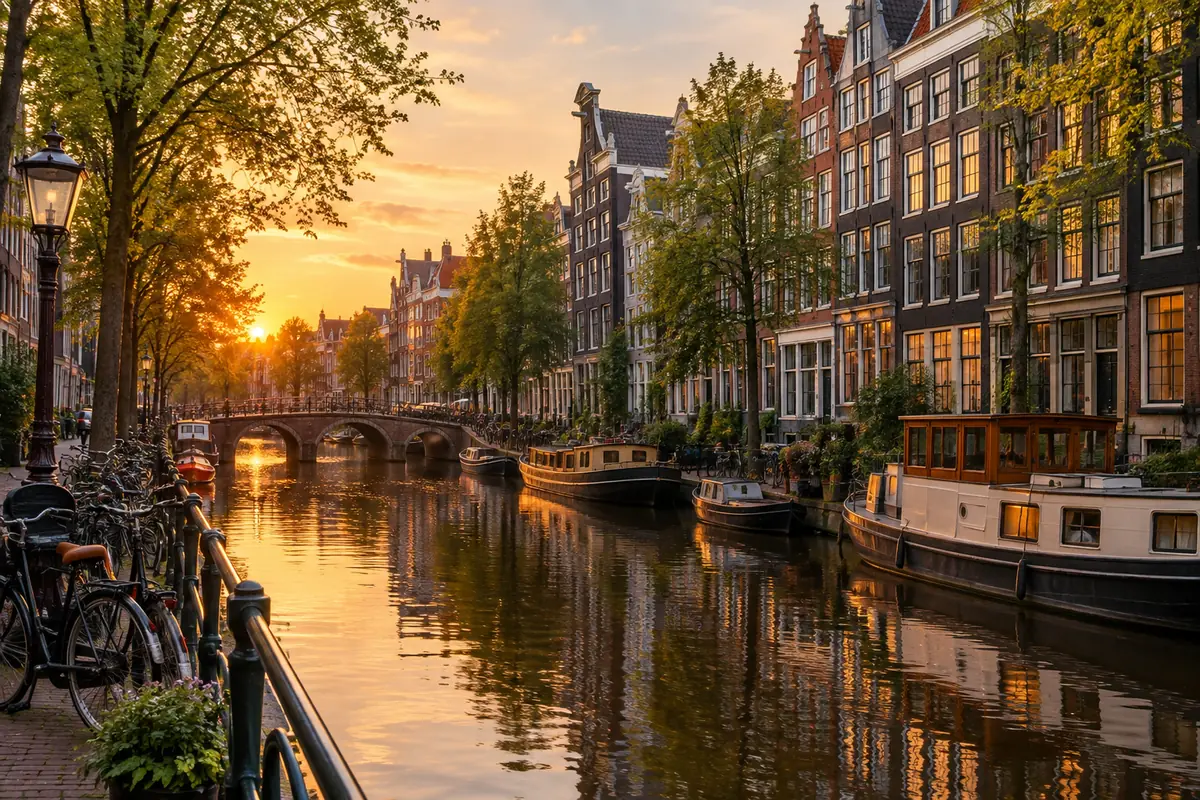
This is the Amsterdam of canal houses, narrow streets and small hotels in historic buildings. You are very central and the setting is beautiful, but rooms can be compact and staircases steep. It is ideal if you want to explore mostly on foot and care more about character than space.

2Museum Quarter and Oud-Zuid

Around Museumplein, the atmosphere is calmer, with broad streets, grand houses and many polished hotels. You can walk easily to the Rijksmuseum, the Van Gogh Museum and Vondelpark. It feels less traditionally canal-side than the old centre, but often more comfortable, especially for families.

3De Pijp

De Pijp feels young and busy, with the Albert Cuyp Market, coffee bars and restaurants from all over the world. Accommodation is mostly small-scale, with boutique and design-led places among residential streets. Great if you like stepping out into a neighbourhood at night, less so if you want total quiet or easy parking.

4Amsterdam East

East is varied, with nineteenth-century districts, newer developments and plenty of green space around Oosterpark and the waterfront. Hotels here are often roomier than in the old centre and the atmosphere feels more local. You are not among the main canals, but the centre is still easy to reach by tram or bike.

5Amsterdam North

North sits across the IJ and feels more open and contemporary, with former industrial areas, striking architecture and lots of water. You will find modern hotels that often offer more space than the centre. Do keep in mind that many outings start with a ferry or metro ride, though the crossing from Centraal is quick.

6Centraal Station and Old Centre

Around Amsterdam Centraal, Dam Square and the old centre, you are in the most convenient spot for arrivals, departures and short stays. There is plenty of hotel choice, from simple to stylish, and you can step straight into the city. The downside is constant bustle, especially on the main streets and at weekends.

Getting there

Amsterdam Airport Schiphol is southwest of the city and has a direct rail link to Amsterdam Centraal, usually taking about 15 minutes. For Museumplein and Amsterdam South, bus 397 is often convenient. If you arrive by international train, you will usually come into Amsterdam Centraal or Amsterdam Zuid. From either station, it is easy to continue by tram, metro, bus or taxi to your hotel.

Getting around

Amsterdam is easiest to get around on foot, by tram, metro or by bike. On public transport, contactless payment is widely convenient for short rides. Cycling is part of city life, but traffic can feel busy and assertive, so bikes are best if you are comfortable riding in an urban setting. Driving in the centre is awkward, so it is better to choose a hotel with parking or stay outside the innermost area.

When to go

April, May and September are especially popular thanks to mild weather and a lively atmosphere. King’s Day on 27 April brings major crowds, as does Pride in summer and the festive period in December. Spring is energetic, summer can be very busy, and autumn and winter are quieter but still appealing, especially for museums, cafés and canal views.

What not to miss in Amsterdam

Rijksmuseum

The national museum of the Netherlands is famous for its collection, including works by Rembrandt and Vermeer. The building itself and the passage running through it are part of the city’s identity.

Van Gogh Museum

This museum holds the world’s largest collection of works by Vincent van Gogh. Book well ahead, as it is one of Amsterdam’s most in-demand museum visits.

Anne Frank House

On Prinsengracht, this is the hiding place where Anne Frank lived during the Second World War. It is a powerful visit that usually needs planning well in advance.

Vondelpark

Amsterdam’s best-known park is ideal for a walk, picnic or short cycle ride. Many pleasant hotels sit around its edges, especially in Oud-Zuid.

Dam Square and Royal Palace

Dam Square is the historic heart of the city and a useful point of reference. The Royal Palace on the square is one of the standout buildings in central Amsterdam.

NDSM and the IJ waterfront

On the north side of the IJ, former shipyard spaces mix with street art, food spots and cultural venues. It shows a very different, more modern side of Amsterdam.

Practical tips for your hotel in Amsterdam

  • Many central hotels are in old buildings, so lifts can be tiny or missing altogether. Check this in advance if you are travelling with large bags, a pushchair or limited mobility.
  • In Amsterdam, tourist tax is often paid separately through the hotel. Keep that in mind when comparing accommodation.
  • Reserve popular museums such as the Anne Frank House and the Van Gogh Museum well ahead. Last-minute availability can be limited.
  • For a better night’s sleep, ask for a room at the back or on a higher floor. In the centre, trams, bikes and nightlife can be noticeable.
  • The Netherlands uses type C and F plugs. Tipping is not compulsory, but rounding up or leaving a small extra amount for good service is normal.

Search Amsterdam live

cyah searches live availability. Click an example or type your own request with dates and number of travellers.

FAQ about Amsterdam

Where is the best area to stay in Amsterdam?

For a first trip, the Canal Ring and Jordaan are the most atmospheric and central. If you want calm and museums, choose the Museum Quarter or Oud-Zuid. For more space and more modern hotels, look at East or North.

How do I get from Schiphol to the city centre?

The quickest and easiest way is usually the train to Amsterdam Centraal, in about 15 minutes. For Museumplein and Oud-Zuid, bus 397 can be very convenient.

Can cyah find a hotel with parking?

Yes. You can search with filters such as parking, breakfast, stars, budget or free cancellation. For example: hotel in Amsterdam with parking from 12 to 14 March for 2 people.

How many days do you need in Amsterdam?

With 2 days, you can see the main sights and get a good feel for the canals. With 3 days, you can add more museum time, slower neighbourhood walks and an extra area such as North or East.

Is Amsterdam good for families?

Yes, especially if you stay in a calmer area such as Oud-Zuid or parts of East. These districts often offer a bit more space, parks nearby and less noise than the old centre.

Where should I stay near the station?

Around Amsterdam Centraal and the old centre is most convenient if you arrive early or leave late. It works well for train, tram and metro connections, though it is busier and more touristy.

Other destinations: Barcelona · Lisbon · Paris · Rome · London · Madrid · Istanbul · New York · Vienna · Paramaribo · Athens · The Hague · Edinburgh · Florence · Lyon · Maastricht · Málaga · Miami · Milan · Nice · Porto · Rotterdam · Salzburg · Seville · Utrecht · Valencia · Venice