cyah.ai › Destinations › Málaga

Where to stay in Málaga: areas, tips and hotels

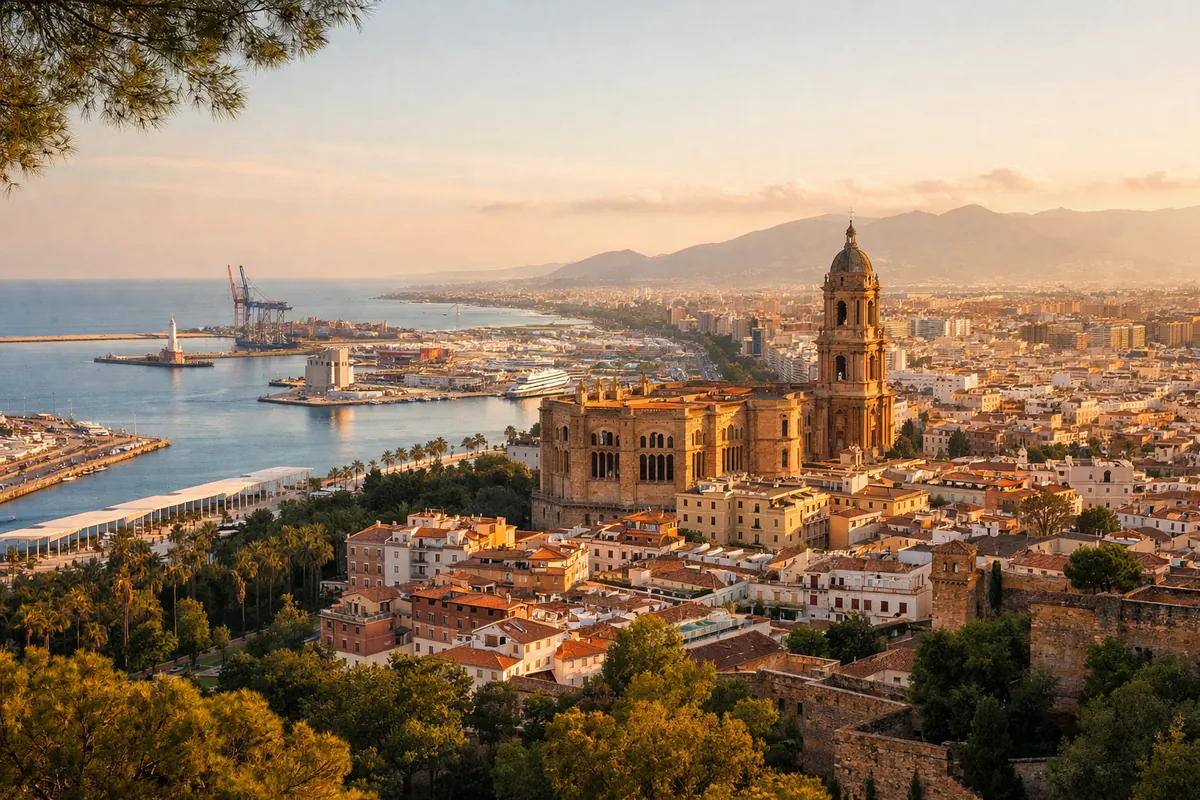
Málaga is far more than an airport city on the Costa del Sol. It works brilliantly if you want beaches, an old town, museums and easy transport in one trip, but your base shapes the whole feel of your stay. Pick carefully, from the lively lanes of the Centro Histórico to quieter seaside areas such as Pedregalejo.

The best areas to stay in Málaga

AreaAtmosphereBest forGetting there
Centro Históricolively, atmosphericfirst-time visitorswalking distance to cathedral and port
Sohocreative, urbanfood and connectionsnear Málaga-Centro-Alameda
La Malaguetabeach and citybeach with comfortwalking distance to beach and centre
La Mercedyoung, livelynightlife and atmospherewalking distance to Plaza de la Merced
El Limonarquiet, residentialpeace and beachbus or walk to centre
Pedregalejolocal, relaxedlonger beach staycoastal bus route
Málaga, Spain

The map only loads after you click (map data from OpenStreetMap).

The areas of Málaga explained

1Centro Histórico

This is Málaga’s compact historic core, filled with squares, tapas streets, churches and major sights within easy walking distance. You will mostly find small city hotels, boutique stays and apartments in older buildings. The big advantage is that you can do almost everything on foot, though some streets stay noisy late into the evening.

2Soho

Soho sits between the old town and the main station, with a more modern and local feel than the historic centre. The area is known for street art, galleries and a mix of hotels and serviced apartments. It is especially practical if you have an early train or want easy access in and out of the city.

3La Malagueta

La Malagueta is the classic choice if you want a city break with beach time and do not want to stay far from the centre. Most accommodation here is in larger hotels and apartment buildings along broad streets near the seafront. You trade some historic charm for convenience, and some places have sea views.

4La Merced

Around Plaza de la Merced you are close to bars, cafés and an energetic evening scene, just east of the busiest shopping streets. There are plenty of small hotels, pensions and apartments in traditional buildings. It is ideal if you like eating out and staying out late, but less so if you want complete quiet.

5El Limonar

El Limonar feels more spacious and calm, with villas, greener streets and the sea not far away. There are fewer places to stay here, but you can find small hotels and smart apartments in a residential setting. It suits travellers who want Málaga without sleeping in the middle of the crowds, though you rely a bit more on bus or taxi.

6Pedregalejo

Pedregalejo lies further east and has an almost village-like feel, with a promenade, small beaches and many seafood restaurants. Accommodation is mainly guesthouses, apartments and a few small hotels. It is a strong choice for a laid-back atmosphere and local life, but you are not right next to the old centre.

Getting there

Málaga-Costa del Sol Airport lies southwest of the city and is the main gateway for international visitors. From the airport, the Cercanías train reaches the city in about 15 to 20 minutes via Málaga María Zambrano, with buses and taxis also available. Málaga María Zambrano is the main rail station for high-speed and other train services, and it is within walking distance of Soho and a short hop from the old town.

Getting around

Much of central Málaga is easiest on foot. For longer distances, city buses are useful, and the Cercanías network works well between the airport, the station and nearby coastal towns. Contactless payment is common in many places, though local transport cards may also be available. A car is rarely useful in the city itself: streets can be narrow, traffic is busy and parking is often inconvenient.

When to go

Spring and autumn are usually the best times to visit, with warm weather and less intense heat than high summer. July and August are popular for beach trips and can be very hot and busy. Semana Santa in the week before Easter and the Feria de Málaga in August bring large crowds. Winter stays relatively mild, which makes Málaga appealing for a sunny city break.

What not to miss in Málaga

Alcazaba

This Moorish fortress above the city is one of Málaga’s key historic sights. You can wander through courtyards, defensive walls and viewpoints overlooking the port and centre.

Castillo de Gibralfaro

Above the Alcazaba sits this hilltop castle. The main reward is the panorama, especially if you want one broad view of the city and coastline.

Catedral de Málaga

The city’s grand Renaissance cathedral is a defining landmark in the centre. Even if you do not go inside, the surrounding area is a good place to absorb the local atmosphere.

Museo Picasso Málaga

Málaga is Picasso’s birthplace, and this museum gives that story context through works displayed in a historic palace setting. Booking ahead is wise in busy periods.

Teatro Romano

At the foot of the Alcazaba are the remains of the Roman theatre. It is compact, central and easy to combine with the fortress above.

Muelle Uno

The modern waterfront promenade is a pleasant place for a stroll, especially towards sunset. You get views of the sea, boats and city, with plenty of terraces nearby.

Practical tips for your hotel in Málaga

  • Many central places to stay are in older buildings. If you are a light sleeper, ask for a quiet room at the back.
  • Dinner in Spain often starts later than in Britain or the Netherlands. In lively districts that means the streets can stay sociable, and noisy, well into the evening.
  • For popular museums and monuments, booking ahead is sensible, especially in school holidays, around Easter and in August.
  • There is currently no general tourist tax in Málaga, but always check the final accommodation price for any local fees or surcharges.
  • For beach days, pack water shoes or sturdy sandals if you have sensitive feet, as parts of the shoreline are not uniformly soft sand.

Search Málaga live

cyah searches live availability. Click an example or type your own request with dates and number of travellers.

FAQ about Málaga

What is the best area to stay in Málaga?

For a first visit, Centro Histórico is usually the most convenient base because the main sights, restaurants and atmosphere are right around you. If you want beach time as well, La Malagueta is often the better fit.

How do you get from the airport or main station to the centre?

From Málaga-Costa del Sol Airport, the easiest option is usually the Cercanías train to Málaga María Zambrano, then continue on foot, by bus or by taxi. From María Zambrano, parts of the centre are roughly a 15 to 20 minute walk, depending on where you are staying.

Can cyah find a hotel with a pool in Málaga?

Yes. Many hotels in Málaga have a pool, especially larger properties and some stays near the beach. You can use filters for a pool, breakfast and free cancellation to narrow the options.

How many days do you need in Málaga?

Two to three days is enough for the main city sights. If you also want beach time, unhurried museum visits or a coastal day trip, four to five days feels more comfortable.

Is Málaga expensive for hotels?

It depends heavily on season, location and whether you want to stay near the beach or right in the centre. In busy periods, especially around Easter, in summer and during major events, availability can tighten quickly.

Where should you stay in Málaga with children?

La Malagueta and El Limonar are often good choices for families because they tend to feel more spacious and closer to the beach or quieter streets. Look for a family room, breakfast or a pool if those matter to you.

Other destinations: Amsterdam · Barcelona · Lisbon · Paris · Rome · London · Madrid · Istanbul · New York · Vienna · Paramaribo · Athens · The Hague · Edinburgh · Florence · Lyon · Maastricht · Miami · Milan · Nice · Porto · Rotterdam · Salzburg · Seville · Utrecht · Valencia · Venice