cyah.ai › Destinations › Porto

Where to stay in Porto: areas, tips and hotels

Porto is compact enough to explore largely on foot, yet each area feels quite different. Choose where to stay by the atmosphere you want after sightseeing: steep historic lanes, river views, local restaurants, beach air, or easy metro access for getting around.

The best areas to stay in Porto

AreaAtmosphereBest forGetting there
Baixa & Avenida dos Aliadoscentral and livelyfirst-time visitorsAliados or São Bento
Ribeirahistoric and romanticDouro viewswalk to São Bento, tram by the river
Cedofeitacreative and localfood and atmosphereLapa or Trindade metro
Miragaia & Massarelosquiet riverside charmslower pacetram and bus along the Douro
Foz do Douroseaside and elegantbeach and relaxationbus or tram to centre
Boavistamodern and practicalbusiness and parkingCasa da Música metro
Porto, Portugal

The map only loads after you click (map data from OpenStreetMap).

The areas of Porto explained

1Baixa & Avenida dos Aliados

This is Porto’s classic centre, with grand facades, shopping streets, cafés and many sights within walking distance. You will find city hotels, boutique stays and converted historic buildings. It is convenient and full of atmosphere, though you should expect hills, traffic noise and some evening bustle.

2Ribeira

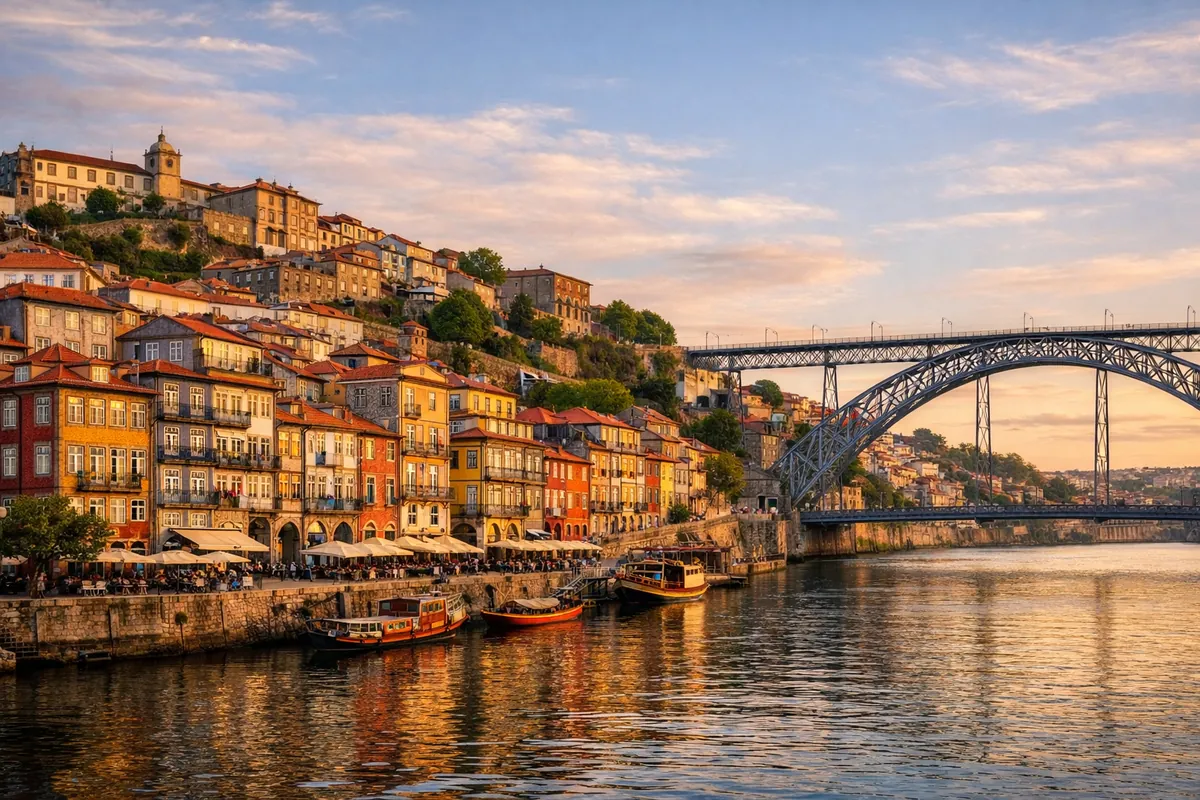
Ribeira sits right on the Douro and is Porto’s most photogenic quarter, with narrow lanes, colourful houses and waterside terraces. Stays here are often small-scale and full of character. The setting is excellent, but it can be busy and vehicle access is not always easy right to the door.

3Cedofeita

Cedofeita feels more local and a little calmer than the tourist core, while still staying close to the main highlights. The area has design hotels, guesthouses and apartments in townhouse-style buildings. It suits travellers who want strong restaurant and bar options without sleeping in the busiest streets.

4Miragaia & Massarelos

West of Ribeira, the mood becomes calmer, with stretches of riverfront, older houses and a more residential feel. You will find small hotels and stylish stays in restored buildings. It is a good fit if you want Porto’s charm with less intensity, though walks to the metro can be longer.

5Foz do Douro

Foz do Douro stands where the river meets the Atlantic, with promenades, small beaches and an upscale residential feel. Hotels here are often more spacious and quieter, sometimes with sea views. It is ideal for a more relaxed city break, less so if you want to walk everywhere in the old centre.

6Boavista

Boavista is broader, more modern and built around a major avenue and Casa da Música. You will see contemporary hotels, larger rooms and stays that work well if you are driving or travelling for work. It has less historic charm, but connections are good and the area feels straightforward.

Getting there

Most visitors arrive via Francisco Sá Carneiro Airport, north of the city. The metro links the airport directly with Trindade in the centre in roughly 25 to 30 minutes, from where you can continue on foot or change lines. Porto-Campanhã is the main station for long-distance trains. International rail journeys usually involve a change en route. São Bento is more central for regional arrivals and sightseeing. From Campanhã, the old centre is a short ride by metro, taxi or local train.

Getting around

Porto is very walkable in parts, but expect steep slopes, steps and cobbles. The metro, buses and heritage tram are useful for longer distances, especially towards Foz or back uphill after sightseeing. Contactless payment is common in shops and restaurants, though for public transport it is worth checking in advance which card or payment method you need. A car is usually more hassle than help in the centre because streets are narrow and parking is limited.

When to go

Late spring and early autumn are usually the best times for a city break, with pleasant temperatures and plenty of outdoor life. Summer brings more crowds around Ribeira, Gaia and the main viewpoints. Winter is milder than in many European cities, but it is also wetter. Around the São João festival in June, Porto becomes especially lively and busy, with celebrations across the city.

What not to miss in Porto

Dom Luís I Bridge

This landmark double-deck bridge links Porto with Vila Nova de Gaia. The upper level offers some of the city’s strongest views over the Douro and the old quarters.

Livraria Lello

This famous bookshop is known for its ornate interior and dramatic staircase. Reserve ahead, as it is one of Porto’s most in-demand sights.

São Bento Station

The station is celebrated for the large azulejo tile panels in its main hall. Even without taking a train, it is an easy and worthwhile stop in the centre.

Porto Cathedral

Set high above the old city, the cathedral is one of Porto’s oldest monuments. The square outside gives you a fine view across rooftops and down towards the river.

Palácio da Bolsa

This nineteenth-century stock exchange building reflects Porto’s mercantile past. Inside, the richly decorated ceremonial rooms are the main draw.

Serralves

Serralves combines a contemporary art museum with extensive gardens and an art deco villa. It is a smart choice when you want a break from the denser historic centre.

Practical tips for your hotel in Porto

  • Many hotels in the old town sit on steep lanes or near stairways. Check more than just the map location, especially if you are arriving with heavier luggage.
  • Porto may charge a municipal tourist tax, often collected separately by the accommodation. Check what is included when you book.
  • Reserve popular places such as Livraria Lello and the port wine cellars well ahead, especially for weekends and holiday periods. It saves time and avoids disappointment.
  • Ask for a quiet room if you stay in Baixa or Ribeira. Streets with restaurants and bars can stay lively well into the evening.
  • Bring comfortable shoes with good grip. Porto’s cobbles, slopes and occasionally slippery pavements make them genuinely useful.

Search Porto live

cyah searches live availability. Click an example or type your own request with dates and number of travellers.

FAQ about Porto

What is the best area to stay in Porto?

For a first trip, Baixa is usually the most convenient base because it is central and easy for sightseeing on foot. For river views choose Ribeira, while Foz do Douro suits a quieter, beachier stay.

How do you get from the airport or main station to the centre?

From the airport, the simplest option is the metro to Trindade, which usually takes around 25 to 30 minutes. From Porto-Campanhã, take the metro, train or a taxi into the centre, while São Bento is already in the middle of town.

Can cyah find a hotel with breakfast and parking in Porto?

Yes. For example: ‘Find a hotel in Porto from 12 to 15 September for 2 people, with breakfast, parking and free cancellation.’ You can then narrow the results further with budget and star filters.

How many days do you need in Porto?

Two full days are enough for the main districts and sights. With three days, you can add museums, Gaia, Foz or simply enjoy the city at a slower pace.

Is Porto expensive for hotels?

It varies a lot by season, neighbourhood and hotel type. Ribeira and busy weekends often fill faster, while areas just outside the immediate old centre usually give you more choice.

Where should you stay in Porto with children?

Boavista and Foz do Douro are often practical with children because they tend to feel calmer and more spacious. In this hilly city, places with lift access or easy taxi drop-off can also make a real difference.

Other destinations: Amsterdam · Barcelona · Lisbon · Paris · Rome · London · Madrid · Istanbul · New York · Vienna · Paramaribo · Athens · The Hague · Edinburgh · Florence · Lyon · Maastricht · Málaga · Miami · Milan · Nice · Rotterdam · Salzburg · Seville · Utrecht · Valencia · Venice