cyah.ai › Destinations › Paramaribo

Where to stay in Paramaribo: areas, tips and hotels

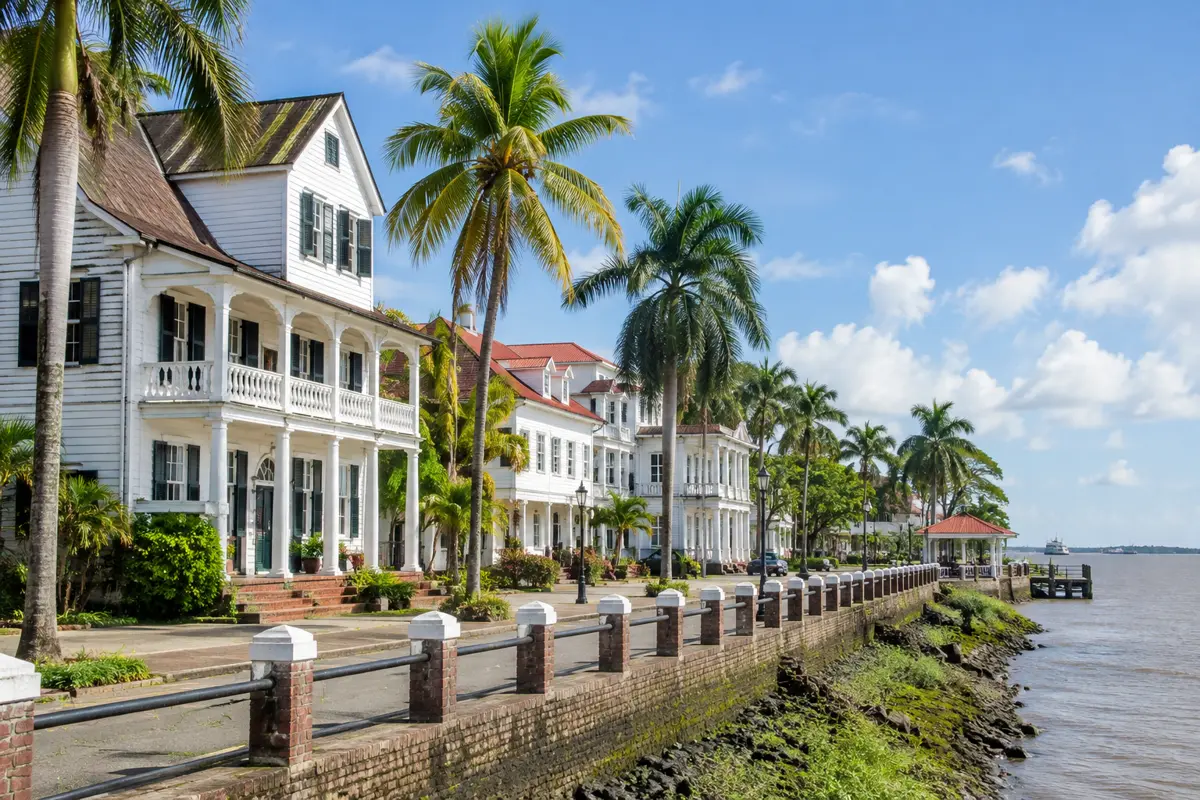
Paramaribo is not a city of headline sights on every corner, it is a city of atmosphere: wooden colonial houses, palm-lined streets, markets and the river shaping daily life. If you stay in the right area, you can cover a lot on foot around the old centre. For more peace, greenery or a pool, look just beyond the busiest streets.

The best areas to stay in Paramaribo

AreaAtmosphereBest forGetting there
Historic centreheritage, walkable corefirst-time visitorswalking distance to Waterkant and Fort Zeelandia
Waterkantriverfront, lively, localatmosphere and strollswalk to the centre, taxi elsewhere
Around Heerenstraat and Henck Arronstraaturban, dining, nightliferestaurants and barswalk to the Waterkant and the fort
Blauwgrondfoodie, local, residentialSurinamese food scenetaxi to the centre
Neighbourhoods outside the centrequiet, green, practicalpool and parkingshort taxi ride to the centre
Paramaribo Northresidential, spacious, relaxedpeaceful staystaxi or car recommended
Paramaribo, Suriname

The areas of Paramaribo explained

1Historic centre

This is the strongest base if you want to experience Paramaribo on foot. You stay among wooden listed buildings, churches, government landmarks and public squares, with the Palm Garden and Fort Zeelandia close by. Hotels are often smaller or set in characterful buildings, though some streets can be noisy and less resort-like.

2Waterkant

Staying by the Suriname River puts you in one of the city’s best-known settings. You have water views, food stalls nearby and an easy walk into the historic core. It is central and full of character, but also busier, warmer and less quiet than a stay in a residential district.

3Around Heerenstraat and Henck Arronstraat

In and around the historic core you will find a mix of boutique hotels, guesthouses and some more modern places to stay. It works well for restaurants, cafés and evenings out, with the main historic sights within walking distance. A good choice if you want to be central without sleeping right on the river.

4Blauwgrond

Blauwgrond is a residential district known for its strong food culture and more local feel. It suits travellers who do not need to stay in the tourist heart of the city and would rather focus on eating well. Accommodation here is often simpler or smaller scale, and you will usually rely on taxis or a car.

5Neighbourhoods outside the centre

The quieter residential districts around the centre tend to have hotels with gardens, pools and parking space more often than the old town does. That makes them useful for families, longer stays and travellers planning to drive. You trade some heritage atmosphere and walkability for comfort, space and easier logistics.

6Paramaribo North

In northern Paramaribo, you are staying more among homes, embassies and larger plots than around monuments and squares. Accommodation here can feel roomier, with a calmer urban rhythm that is welcome after a hot day in town. For sightseeing, though, you are less spontaneously connected, so transport matters more.

Getting there

Paramaribo is served by Johan Adolf Pengel International Airport, usually called Zanderij, about 50 kilometres south of the city. The journey into the centre takes about an hour, depending on traffic and weather. Most visitors continue by taxi or pre-arranged transfer. Within the city, the bus terminal near Central Market matters for regional transport, but for most visitors taxis are more practical than public buses.

Getting around

Much of the historic core is easy to cover on foot, especially between Waterkant, Fort Zeelandia, the Palm Garden and the basilica. For longer distances, most people use taxis, and it is wise to agree the fare before setting off. A hire car is useful if you plan to explore beyond Paramaribo, but in the centre the heat, traffic and parking make walking and short taxi rides easier.

When to go

Paramaribo is warm and humid year-round, with tropical showers that can interrupt plans for a while and then clear quickly. The relatively drier periods are roughly February to April and mid-August to late November, which many travellers find the most comfortable. National holidays and school holiday periods can feel busier. On 1 July, Keti Koti is an important annual moment in the city.

What not to miss in Paramaribo

Historic Inner City of Paramaribo

This UNESCO-listed area shows how European town planning and local building traditions came together in a tropical wooden city. The overall streetscape is what makes it memorable, more than any single monument.

Fort Zeelandia

This riverside fort is one of the oldest sites in the city and an important place for understanding Suriname’s colonial past. It is an easy walk from Waterkant and the Palm Garden.

Palm Garden

The Palm Garden is a shady urban park filled with tall royal palms behind the presidential area. It is a pleasant place for a short walk out of the heat, right in the city centre.

Waterkant

Waterkant works both as a viewpoint and a social strip, with historic wooden façades on one side and the broad river on the other. It is especially atmospheric later in the day.

Saint Peter and Paul Basilica

This large wooden basilica is one of Paramaribo’s most striking religious buildings. It fits the city perfectly, because timber architecture is such an essential part of its identity.

Central Market

The market offers a direct glimpse of everyday life, with vegetables, fish, herbs and plenty of local produce. Expect a busy, genuine city market rather than a polished attraction.

Practical tips for your hotel in Paramaribo

  • Ask for a room away from the street if you are a light sleeper, especially in the centre and around Waterkant. Traffic, music and general city noise are more noticeable there.
  • A tourist tax or local levy may be charged separately by your accommodation. It is worth checking what is and is not included in the total before you travel.
  • Dutch is widely spoken, which makes Paramaribo unusually easy for Dutch-speaking travellers. You will also hear Sranantongo regularly in everyday life.
  • Because of the heat and sudden heavy showers, air conditioning and some covered outdoor space are genuinely useful. A pool is especially welcome if you tend to return to your hotel in the afternoon.
  • It is sensible to reserve popular restaurants and organised day trips ahead in busier periods. That saves time and last-minute searching after a hot day out.

Search Paramaribo live

cyah searches live availability. Click an example or type your own request with dates and number of travellers.

FAQ about Paramaribo

Where is the best area to stay in Paramaribo?

In or near the historic centre if you want to walk a lot and are visiting for the first time. Choose Paramaribo North or another quiet residential district if you prefer more peace, space, a pool or parking.

How far is the airport from Paramaribo?

Zanderij airport is about 50 kilometres from the city. The drive to the centre usually takes around an hour.

Can cyah search flights to Paramaribo?

Yes. cyah searches live flights, hotels and European trains, and you can use filters and manage bookings through My booking. Ask for example: flight from Amsterdam to Paramaribo from 10 to 24 December.

How many days do you need in Paramaribo?

For the city itself, two to three days is usually enough to see the historic core, the market and a few cultural or food stops. Stay longer if you want to combine Paramaribo with trips to Commewijne or nature beyond the city.

Is Paramaribo a good city with children?

Yes, especially if you choose a hotel with a pool, garden or a little more space. Areas just outside the centre are often more comfortable for families than a busy riverfront address.

Where should you stay in Paramaribo without a car?

The historic centre, Waterkant and the central area just west of it are the most convenient choices. You can do more on foot there and rely less on taxis for meals, walks and sightseeing.

Other destinations: Amsterdam · Barcelona · Lisbon · Paris · Rome · London · Madrid · Istanbul · New York · Vienna · Athens · The Hague · Edinburgh · Florence · Lyon · Maastricht · Málaga · Miami · Milan · Nice · Porto · Rotterdam · Salzburg · Seville · Utrecht · Valencia · Venice