cyah.ai › Destinations › Utrecht

Where to stay in Utrecht: areas, tips and hotels

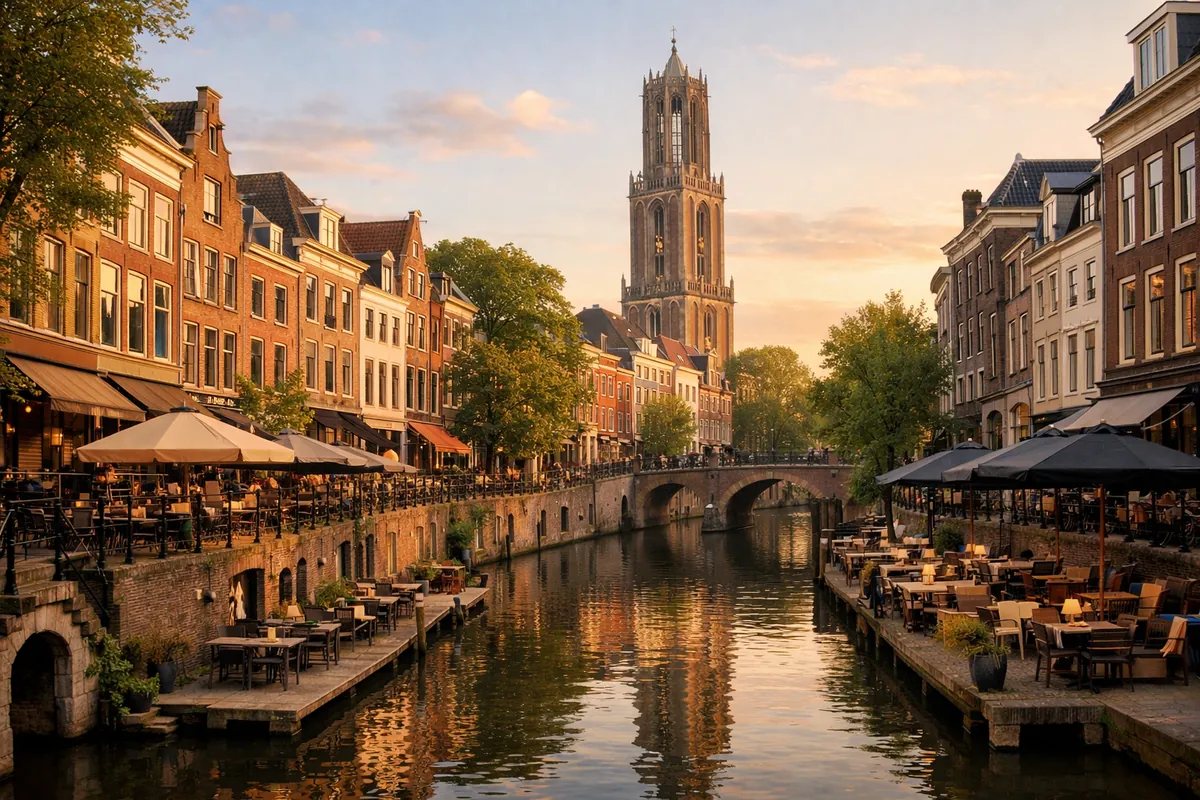
Utrecht is compact, lively and very easy to explore on foot. The city revolves around the Oudegracht, the Dom Tower and a big student scene, but you also get quieter residential districts, greener edges and modern hotel clusters near the station and Jaarbeurs. Your main choice is between atmosphere in the old centre, convenience by Utrecht Centraal or a calmer base just outside the busiest streets.

The best areas to stay in Utrecht

AreaAtmosphereBest forGetting there
Binnenstadhistoric, livelyfirst-time visitorswalking distance to Utrecht Centraal
Stationsgebied & Jaarbeurspractical, modernrail travellers, businessUtrecht Centraal
Museumkwartierelegant, calmculture, weekend breakwalking distance to Domplein
Lombokmulticultural, localfood lovers, local feelwalking distance to Utrecht Centraal
Rotsoord & Tolsteegcreative, relaxeddesign stays, quietbus or short cycle from Centraal
Oostgreen, residentialquiet stays, familiesbus to centre or short cycle
Utrecht, Netherlands

The map only loads after you click (map data from OpenStreetMap).

The areas of Utrecht explained

1Binnenstad

Binnenstad is the classic Utrecht of canals, wharf cellars, churches and narrow lanes. Most places to stay are boutique hotels, small city hotels and a few characterful addresses in historic buildings. The big advantage is that almost everything is walkable, while the trade-off is evening noise and limited parking.

2Stationsgebied & Jaarbeurs

Around Utrecht Centraal and Jaarbeurs you have the easiest base for arrivals, departures and onward travel across the Netherlands. Hotels here tend to be larger and more modern, from business-focused chains to comfortable mid-range options. It is less atmospheric than the old centre, but very convenient if you have an early start or lots of train travel.

3Museumkwartier

Museumkwartier sits on the southern side of the old centre, with stately streets, museums and a slightly calmer feel. You will mostly find smaller hotels and character stays in handsome old buildings. It suits travellers who want to stay central without being in the busiest shopping streets.

4Lombok

Lombok, just west of the station, feels less visitor-focused and more like a real city neighbourhood. It is a good area for more affordable city hotels and apartment-style stays, plus plenty of places to eat and specialist shops along Kanaalstraat. Choose it if you do not need a canal-side address but still want the centre nearby.

5Rotsoord & Tolsteeg

On the south-eastern side of the centre, along the Vaartsche Rijn, Rotsoord has an old industrial edge and an easy-going atmosphere. You will find a handful of design-led and smaller hotels, often in or near redeveloped buildings. It is less central than Binnenstad, but appealing if you want a calmer base.

6Oost

Utrecht Oost, towards Wilhelminapark and the line to De Uithof, is a smart residential area with broad streets and lots of greenery. The hotel choice is smaller, but there are peaceful stays and a few addresses in villa-style buildings. It works well for families or anyone who would rather not sleep among the busiest shopping crowds.

Getting there

Utrecht is mainly reached via Utrecht Centraal, the Netherlands’ largest rail hub, with direct trains from many Dutch cities and easy connections via Schiphol for international arrivals. From Schiphol, the train to Utrecht Centraal usually takes about half an hour. The station connects directly to Hoog Catharijne, and the historic old centre is a short walk away.

Getting around

Utrecht is easiest to get around on foot or by bike, especially if you stay in or near the old centre. For longer distances, buses are useful, and trams are mainly relevant for routes towards Utrecht Science Park and the southern suburbs. Contactless payment or Dutch public transport payment methods are commonly used. Driving is less relaxing, particularly in the historic centre where parking is limited and many streets are busy or traffic-restricted.

When to go

Late spring and early autumn are often the nicest times to visit Utrecht, when canal-side terraces are busy and walking conditions are pleasant. Summer is lively but busier, especially at weekends. Around King’s Day in late April and during student introduction periods at the end of summer, the city gets noticeably more crowded. December brings lights and a cosy atmosphere that suits a short city break.

What not to miss in Utrecht

Dom Tower

The Dom Tower is Utrecht’s best-known landmark and rises high above the city. From Domplein you quickly get a sense of how compact the historic centre really is.

Oudegracht

The Oudegracht, with its distinctive wharves and waterside cellars, is the backbone of the old centre. Terraces, shops and centuries-old houses line the canal closely together.

Museum Speelklok

This museum is devoted to self-playing musical instruments and has a characterfully quirky Utrecht feel. It is a strong choice if you want something small-scale and unexpected.

Centraal Museum

The Centraal Museum combines art, design and city history under one roof. Its setting in the quieter Museumkwartier makes it easy to pair with a stroll through the area.

Railway Museum

The Railway Museum is popular with families, but also rewarding if you enjoy trains or industrial heritage. It is housed in a former station just beyond the busiest core.

Rietveld Schröder House

The Rietveld Schröder House is a De Stijl icon and a UNESCO-listed site. It sits in Utrecht Oost and shows a very different side of the city from the medieval centre.

Practical tips for your hotel in Utrecht

  • Many hotels in the old centre are in historic buildings, so ask for a quiet room at the back if you are sensitive to street noise.
  • In the Netherlands, card and contactless payments are standard, while cash is less commonly used than in some other countries.
  • For popular museums and Dom Tower visits, booking ahead is wise, especially during school holidays and at weekends.
  • If you are arriving by car, check whether your hotel has its own parking, because central parking is limited and often not right outside the door.
  • Power sockets are the standard Dutch and European type C and F, useful to know if you are arriving from the UK or outside Europe.

Search Utrecht live

cyah searches live availability. Click an example or type your own request with dates and number of travellers.

FAQ about Utrecht

What is the best area to stay in Utrecht?

For a first trip, Binnenstad is the best all-round choice because canals, restaurants and the main sights are close at hand. If rail convenience matters most, choose Stationsgebied or Jaarbeurs.

How do you get from Schiphol or Utrecht Centraal to the centre?

From Schiphol, you can usually take a direct train to Utrecht Centraal in about half an hour. From Utrecht Centraal, the centre is only a short walk and many hotels are within walking distance.

Can cyah find a hotel with breakfast in Utrecht?

Yes. You can easily filter Utrecht hotels by breakfast, parking and free cancellation.

How many days do you need in Utrecht?

With 1 to 2 days you can cover the city’s main highlights comfortably. If you also want time for museums or easy day trips, 2 to 3 days works well.

Is Utrecht expensive for hotels?

Utrecht is popular and compact, so hotels in the historic centre can fill up quickly. Around the station or just outside the centre, you will usually find a broader mix of options.

Where should you stay in Utrecht with children?

Oost and Rotsoord are good picks if you want a quieter base with a bit more space. Hotels near the station are also practical, as you can arrive easily and reach the Railway Museum and other parts of the city without much effort.

Other destinations: Amsterdam · Barcelona · Lisbon · Paris · Rome · London · Madrid · Istanbul · New York · Vienna · Paramaribo · Athens · The Hague · Edinburgh · Florence · Lyon · Maastricht · Málaga · Miami · Milan · Nice · Porto · Rotterdam · Salzburg · Seville · Valencia · Venice