cyah.ai › Destinations › Istanbul

Where to stay in Istanbul: areas, tips and hotels

Istanbul is vast and layered, so where you stay shapes the whole trip. If you choose the monuments of the old city, the urban energy around Galata and Karaköy, or the more local feel of Kadıköy on the Asian side, you get a very different Istanbul each time, with different evenings, views and travel times.

The best areas to stay in Istanbul

AreaAtmosphereBest forGetting there
Sultanahmethistoric and calmfirst time visitorsT1 tram, Sultanahmet
Beyoğlu and Galatalively and urbanfood and nightlifeŞişhane metro, Tünel funicular, Karaköy tram
Karaköywaterfront and trendyferries and atmosphereT1 tram Karaköy, ferry terminal
Kadıköylocal and relaxedfood on Asian sideferry to Kadıköy, M4 metro
Beşiktaşbusy and localBosphorus districtsferries and buses, walking distance to Dolmabahçe
Şişli and Nişantaşımodern and comfortableshopping and comfortOsmanbey or Şişli-Mecidiyeköy metro
Istanbul, Türkiye

The map only loads after you click (map data from OpenStreetMap).

The areas of Istanbul explained

1Sultanahmet

Sultanahmet is the classic old centre, with Hagia Sophia, the Blue Mosque, the Basilica Cistern and Topkapı Palace within walking distance. There are many small and mid-sized hotels in historic buildings here. The main advantage is easy access to the headline sights, while the drawback is that the area feels quieter and less local in the evening.

2Beyoğlu and Galata

Around Galata Tower, İstiklal Avenue and the steep streets down to the water, you stay in the middle of a busy, creative city district. Expect design hotels, boutique addresses and larger city hotels. It suits travellers who care about restaurants, bars and evening walks, but be ready for hills, traffic and noise on the busier streets.

3Karaköy

Karaköy sits where the Golden Horn meets the Bosphorus, between the old city and Beyoğlu. It feels compact, well connected and energetic, with cafés, bakeries, galleries and hotels ranging from sleek modern stays to smaller boutiques. It is a strong base if you want to use trams and ferries often, though the main roads and port area can be busy.

4Kadıköy

Kadıköy, especially around the market and waterfront, shows you a more everyday side of Istanbul. You stay among food spots, bars, bookshops and residential streets, with plenty of life but less sightseeing pressure. It is ideal if you have been to Istanbul before or deliberately want to stay outside the tourist core, though you rely more on ferry or metro for the main landmarks.

5Beşiktaş

Beşiktaş is a real city neighbourhood on the water, popular with students, commuters and locals heading out to eat. It works well for Dolmabahçe Palace, the Bosphorus and northern districts such as Ortaköy. Hotels are mixed, from simple city stays to more upscale addresses, but traffic can be intense and transport often depends more on buses or taxis than on trams.

6Şişli and Nişantaşı

If you prefer a modern, less touristy base, Şişli and especially the area around Nişantaşı work well. Expect broad streets, shops, cafés and larger hotels with a more international, business-like feel. It is convenient for the metro and for a polished, comfortable stay, less convenient if you want to walk straight to the historic sights.

Getting there

Istanbul has two major airports: Istanbul Airport, IST, on the European side, and Sabiha Gökçen, SAW, on the Asian side. From both, you can reach different parts of the city by metro, bus, taxi or airport shuttle, and the journey is usually fairly long. The Marmaray rail line under the Bosphorus links the European and Asian sides of the city.

Getting around

Getting around Istanbul usually means trams, metro, Marmaray, ferries and buses. For visitors, trams and ferries are often the easiest because they avoid road traffic and place you well for the main sights. A rechargeable Istanbulkart works across public transport. Driving is rarely worth it: traffic is heavy, parking is awkward and many districts are best explored on foot or by tram.

When to go

April, May, September and October are usually the most pleasant months, with comfortable temperatures and enough daylight for walking and ferry trips. Summer is hot, humid and busier, especially around Sultanahmet and along the Bosphorus. Winter is quieter and often better value, but it can be wet, grey and windy. Ramadan and religious holidays add atmosphere, though popular areas and transport can also feel busier.

What not to miss in Istanbul

Hagia Sophia

First a church, then a mosque, then a museum and again a mosque, Hagia Sophia shows Istanbul’s layers in a single building. Its dome and sheer scale are remarkable.

Blue Mosque

The Blue Mosque stands opposite Hagia Sophia and remains one of the city’s best known religious buildings. The interior, with its tiles and light, is the highlight.

Topkapı Palace

For centuries this was the administrative heart of the Ottoman Empire. Come for courtyards, pavilions and wide views over the Bosphorus and Golden Horn.

Grand Bazaar

The Grand Bazaar is not a quiet market but a maze of streets, passages and shops. Even if you do not plan to buy anything, it is an experience in itself.

Galata Tower

The medieval Galata Tower is a defining landmark in Beyoğlu and helps you understand the city’s geography. The surrounding neighbourhood is as interesting as the tower itself.

Bosphorus ferry

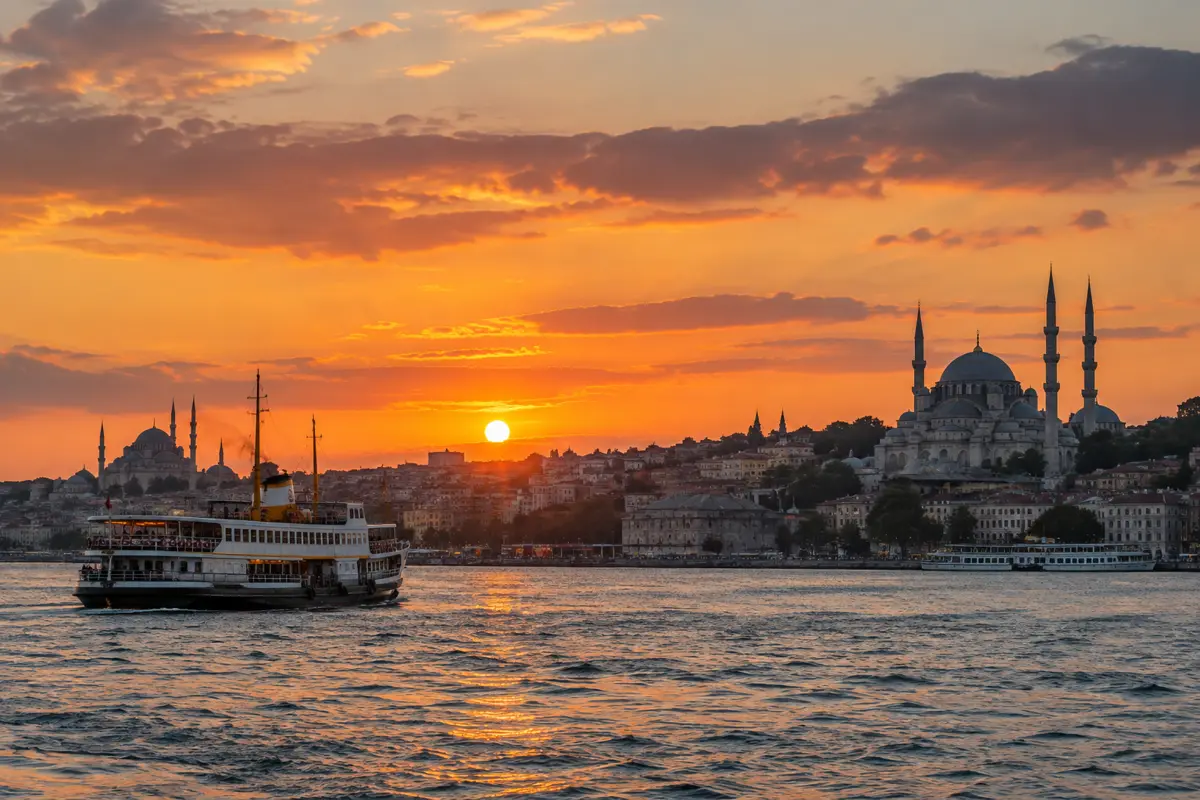
A ferry ride on the Bosphorus belongs to Istanbul in the same way the tram belongs to the old city. From the water you see palaces, neighbourhoods, mosques and both continents.

Practical tips for your hotel in Istanbul

  • Book busy sights such as Topkapı Palace and popular museums or activities well ahead, especially in spring and autumn. Hagia Sophia is a mosque: check the current visiting rules and dress code before you go.
  • Ask your hotel for a quiet room at the back if you are a light sleeper. In Beyoğlu, Karaköy and Kadıköy, street noise can continue late.
  • Istanbul is hilly. Do not just check the map, check whether your hotel sits at the top of a steep street, especially around Galata and Cihangir.
  • Hotels often charge a local accommodation tax, sometimes separately from your booking. It is worth checking this in advance.
  • You will usually not need a plug adapter if you are travelling from the Netherlands. Dress respectfully for mosque visits and expect security checks at busy sites.

Search Istanbul live

cyah searches live availability. Click an example or type your own request with dates and number of travellers.

FAQ about Istanbul

Where is the best area to stay in Istanbul?

For a first visit, Sultanahmet is the most practical for the main sights. For restaurants, atmosphere and evenings out, Beyoğlu, Galata and Karaköy are often more enjoyable. Kadıköy is ideal if you want a more local side of the city.

Which airport is closest to central Istanbul?

It depends on your hotel. Istanbul Airport is on the European side and Sabiha Gökçen on the Asian side, but because the city is so large and traffic can be heavy, neither necessarily feels close.

Can cyah search flights to Istanbul?

Yes. cyah searches live flights, hotel availability worldwide and European trains. You can ask, for example: flight from Amsterdam to Istanbul on 10 May.

How many days do you need in Istanbul?

With three full days you can cover the main highlights and take a Bosphorus ferry. With four or five days, you have more time for districts such as Kadıköy, Balat or Beşiktaş and can travel at a gentler pace.

Is it a good idea to stay near the station in Istanbul?

Only if that station fits your plans. Around Sirkeci you are well placed for Sultanahmet and the tram, but many travellers prefer choosing a neighbourhood for its atmosphere, such as Karaköy, Galata or Kadıköy.

Where should you stay in Istanbul with children?

Sultanahmet is practical for short distances to major sights. Karaköy and Beşiktaş can also work well if you want a wider choice of hotels and strong transport links, while Kadıköy may suit families who prefer a calmer, more residential feel.

Other destinations: Amsterdam · Barcelona · Lisbon · Paris · Rome · London · Madrid · New York · Vienna · Paramaribo · Athens · The Hague · Edinburgh · Florence · Lyon · Maastricht · Málaga · Miami · Milan · Nice · Porto · Rotterdam · Salzburg · Seville · Utrecht · Valencia · Venice